How Dust, Pollen, and Mold Build Up in Your LaGrange HVAC System
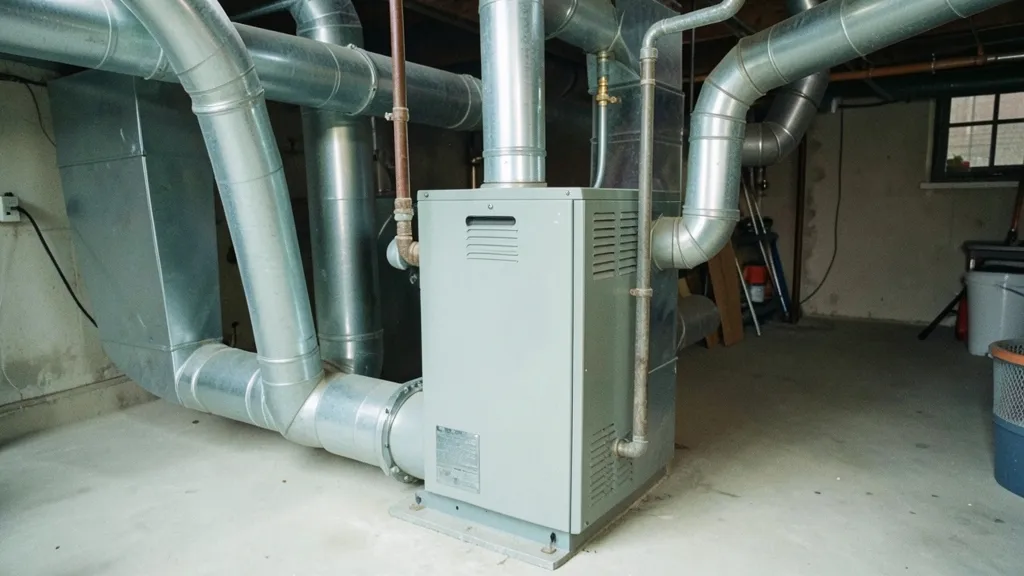
Your HVAC system works hard year-round, but in our humid Georgia climate, it’s also a magnet for dust, pollen, and mold. These contaminants don’t just reduce efficiency—they circulate through your home, affecting air quality and health. We’ll break down how they take hold and what you can do about it.
Why Dust Collects in Your Ductwork
Dust is the most common culprit in duct contamination. Everyday activities like cooking, cleaning, and even walking stir up particles that get pulled into return vents. Over time, these particles settle in duct bends, joints, and the blower compartment.
Poorly sealed ducts or gaps around registers worsen the problem, allowing dust to bypass the filter entirely. In older homes around Hogansville or West Point, aging ductwork often has more nooks for dust to accumulate undisturbed.
How Pollen Invades Your HVAC System
LaGrange’s long pollen seasons—especially in spring and fall—mean your system is constantly filtering airborne allergens. Fine pollen particles slip through standard air filters, coating duct surfaces and the evaporator coil.
When the AC kicks on, these particles can redistribute into your living spaces, triggering allergies. Homes near Pine Mountain or Franklin, with more outdoor vegetation, often see heavier pollen loads in their ductwork.
Switch to a high-MERV filter (11-13) during pollen season to capture finer particles. Just remember to check it monthly—clogged filters restrict airflow and strain your system.
The Perfect Storm for Mold Growth in Ducts
Mold thrives in dark, damp environments—exactly what your ductwork provides when moisture is present. Condensation from the evaporator coil, leaks, or high indoor humidity (common in our Georgia summers) creates ideal conditions.
Once spores take root, they spread quickly, releasing more spores into your air. Musty odors or visible mold near vents are red flags. Left unchecked, mold can damage duct linings and even your HVAC equipment.
If you notice water stains around vents or a persistent musty smell, shut off your HVAC and call a pro. DIY mold treatments often miss hidden colonies in ductwork.
Duct Materials and Contamination Risks
Not all ductwork is equally resistant to buildup. Flexible ducts, common in newer LaGrange homes, have ridged interiors that trap dust more easily than smooth metal ducts. Fiberglass-lined ducts can absorb moisture, promoting mold growth.
Improper installation—like sharp bends or crushed sections—also creates dead zones where contaminants collect. Regular inspections help catch these issues before they compromise airflow or indoor air quality.
| Material | Dust Resistance | Mold Resistance | Common in |
|---|---|---|---|
| Sheet Metal | High (smooth surface) | High (non-porous) | Older homes, commercial buildings |
| Flexible Duct | Low (ridged interior) | Moderate (if properly sealed) | Newer residential builds |
| Fiberglass Lined | Moderate | Low (absorbs moisture) | Mid-century homes |
| Fiberboard | Low (porous) | Low (absorbs moisture) | Budget installations |
Signs Your Ducts Are Harboring Contaminants
Visible dust puffs from vents when the system starts are a clear sign of buildup. Other indicators include unexplained allergies, frequent dusting needs, or reduced airflow from certain registers.
In severe cases, you might see mold growth around vent covers or smell a musty odor when the HVAC runs. These symptoms often worsen in high-humidity months, especially in areas like Grantville with older housing stock.
Red Flags for Duct Contamination
- Dust clouds when vents open
- Unexplained allergy flare-ups indoors
- Musty or stale odors from ducts
- Visible mold on or near vents
- Inconsistent airflow between rooms
How Contaminants Spread Through Your Home
Your HVAC system doesn’t just move air—it moves contaminants. Every time the blower runs, dust, pollen, and mold spores can be recirculated through supply ducts into living areas.
This is especially problematic in multi-story homes, where contaminants from lower levels (like basements) can be pulled upward. Without proper filtration and cleaning, the cycle continues, degrading air quality over time.
Preventing Buildup Before It Starts
Regular air filter changes are your first line of defense—aim for every 1-3 months, depending on household factors like pets or allergies. Consider adding a whole-house air purifier or UV light system for extra protection.
Controlling humidity is equally critical. In our climate, a dehumidifier or HVAC upgrades like a variable-speed blower can reduce moisture in the system. Annual duct inspections catch problems before they escalate.
Schedule duct cleaning before peak seasons—spring for pollen, summer for humidity. This timing helps your system start fresh when it’s working hardest.
How to Check for Duct Contamination at Home
A quick DIY inspection can reveal whether your ducts need professional attention.
- 1Remove and Inspect Vent Covers
Use a screwdriver to remove a few supply and return vent covers. Shine a flashlight inside—visible dust, debris, or mold means it’s time for a cleaning.
- 2Check the Air Filter
Pull out the filter and hold it up to the light. If you can’t see through it, replace it immediately. A clogged filter accelerates duct buildup.
- 3Look for Uneven Dust Patterns
Walk through your home and note which rooms collect dust faster. Uneven buildup often signals poor airflow or contaminated ducts.
- 4Sniff Test
Turn on the HVAC and stand near the vents. A musty or stale smell when the system runs suggests mold or trapped debris in the ductwork.
- 5Monitor Allergy Symptoms
Pay attention to whether allergies or respiratory issues improve when you’re away from home. If symptoms ease outside, your ducts may be the culprit.
Frequently Asked Questions
How often should I have my air ducts cleaned in LaGrange?
We recommend professional duct cleaning every 3-5 years for most homes, but factors like pets, allergies, or recent renovations may require more frequent service. High humidity or visible mold means you shouldn’t wait—request a quote to assess your system.
Can dirty ducts make my HVAC system less efficient?
Absolutely. Dust and debris restrict airflow, forcing your system to work harder to heat or cool your home. This not only reduces efficiency but can also shorten the lifespan of components like the blower motor or evaporator coil.
Is mold in air ducts dangerous?
Yes. Mold spores circulating through your HVAC can trigger allergies, asthma, and other respiratory issues. Some molds, like black mold, produce toxins that pose serious health risks. If you suspect mold, avoid running the system until it’s professionally treated.
Do air purifiers help with duct contamination?
Air purifiers can capture some airborne contaminants, but they won’t clean the ducts themselves. For thorough removal of dust, pollen, and mold, professional duct cleaning is essential. Pairing both provides improved indoor air quality.
Why do I see more dust after duct cleaning?
A small amount of dust may resettle in the first few days as the system redistributes loose particles. This is normal. If excessive dust persists, it may indicate poor cleaning or a filter issue—contact your technician.
Can I clean my air ducts myself?
DIY duct cleaning rarely reaches deep into the system and can damage ductwork if not done carefully. Professional tools like high-powered vacuums and brushes ensure a thorough job without risking your HVAC system.