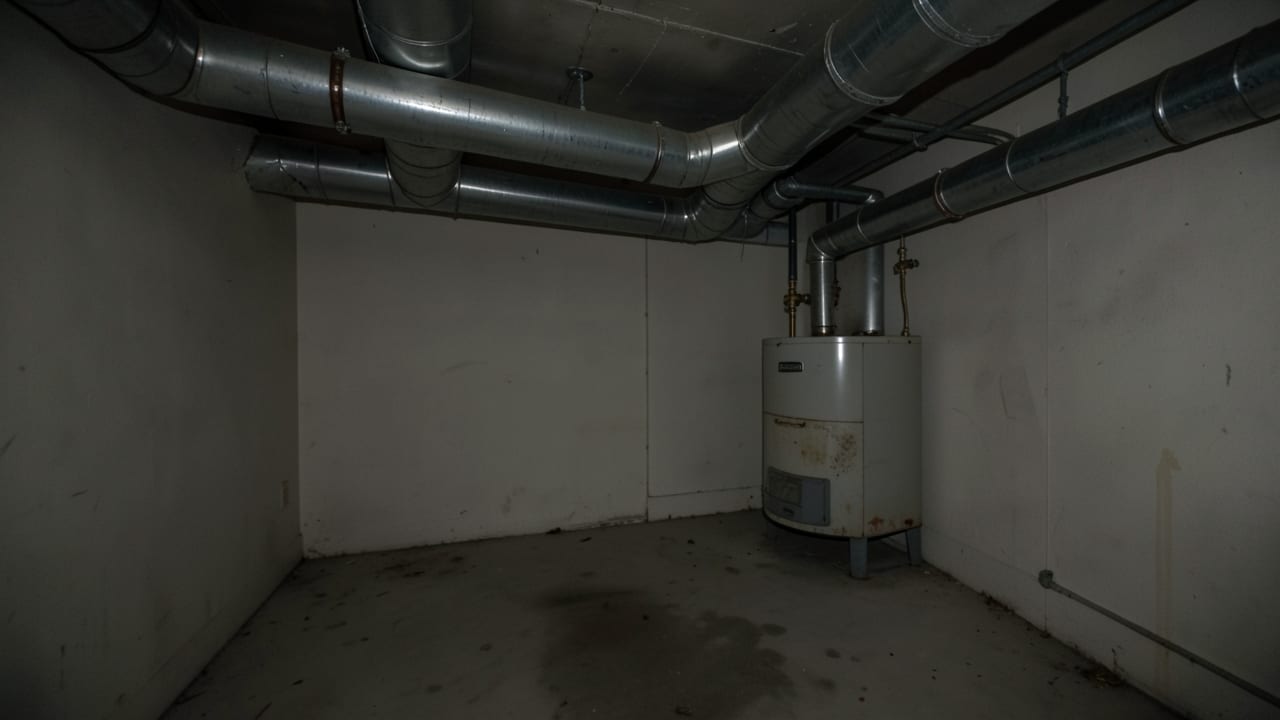
Hard Water Mineral Duct Cleaning
Removal of mineral buildup from HVAC ducts caused by hard water to improve airflow and system efficiency.
Hard water in LaGrange, GA, leaves mineral deposits inside HVAC ducts over time, reducing airflow and forcing systems to work harder. Specialized duct cleaning targets calcium, magnesium, and other buildup, improving efficiency and indoor air quality by removing embedded debris through mechanical agitation and HEPA filtration.
Why hard water minerals clog ducts
LaGrange’s water supply contains minerals like calcium and magnesium that settle inside ductwork when moisture evaporates. These deposits thicken over time, trapping dust and restricting airflow—especially in older homes where ductwork may already be less efficient.
We also handle UV Light & Sanitization Treatment and Air Filter Replacement for LaGrange properties.
The problem often starts subtly, with vents releasing puffs of dust or a stale odor that lingers after the HVAC runs.
Unlike general dust or biological growth, mineral buildup doesn’t respond to basic vacuuming or surface cleaning. It requires targeted agitation to dislodge and a negative-pressure system to capture the loosened particles before they recirculate.
Skipping this step can leave a fine gray film on registers or accelerate dust buildup in specific rooms, signaling active mineral transfer from the ducts.
Signs Hard Water Minerals Are Affecting Your Ducts
- A visible gray film or crust forming on vent grilles within days of cleaning, especially in rooms with high airflow.
- Dust settling unevenly—thicker near supply vents than in other areas of the same room—after the HVAC runs.
- A musty or metallic smell that appears *only* when the system is on, then fades when off.
- Registers or diffusers that feel clogged or push less air than they did before cleaning.
- Higher energy bills without a clear explanation, as the system compensates for restricted airflow.
What affects pricing and timing?
Pricing in LaGrange for hard water mineral duct cleaning depends on the ductwork’s layout, mineral buildup severity, and whether the service includes trunk lines or just visible vents. A flat-rate model typically covers the entire system, while per-vent pricing can vary widely based on how many registers need attention.
Mineral deposits often require more aggressive agitation than dust alone, which may extend the job time.
How often ducts need cleaning varies by household. Factors like pet shedding, frequent filter changes, and sealed duct connections slow recontamination.
In hard water areas, mineral buildup can accelerate this process, but there’s no one-size-fits-all schedule—some homes benefit from annual checks, while others may go longer if maintenance habits are consistent.
Common pitfalls to avoid
Not all duct cleaning methods handle mineral buildup equally. Shop-vac systems at individual vents, for example, often miss trunk lines where minerals accumulate. Without a negative-pressure HEPA setup, dislodged particles can recirculate or settle elsewhere in the home.
Another risk is treating mineral deposits with moisture-based solutions, which can leave ducts damp and encourage microbial growth.
Sealing off registers during cleaning is critical—skipping this step lets dislodged dust blow into living spaces instead of being captured. Similarly, flexible duct sections can disconnect under agitation if not secured properly, redirecting airflow into wall cavities. Always verify that the crew checks for loose connections before reassembling the system.
Avoid quotes that lack clarity on pricing models (flat-rate vs. per-vent), exclude trunk lines or HVAC coils, or don’t include a before-and-after inspection. Unusually low prices may indicate a less thorough method, such as vacuuming at vents rather than whole-system agitation and HEPA extraction.
How hard water mineral duct cleaning works
- 1System Inspection
A camera or mirror inspection identifies mineral buildup hotspots, dust pockets, and biological growth in supply/return ducts. This step ensures cleaning focuses on the most affected areas rather than treating the entire system uniformly.
- 2Register Sealing and Negative-Pressure Setup
Non-active registers are sealed to contain dislodged particles. A HEPA-filtered vacuum is connected to create negative pressure, pulling debris into the collection system instead of releasing it into the home.
- 3Mechanical Agitation
Rotary brushes or compressed-air whips loosen mineral deposits and compacted dust from duct walls. This step is essential for hard water buildup, as suction alone often fails to remove embedded minerals.
- 4HEPA Extraction and Register Cleaning
Dislodged particles are captured by the HEPA system, while registers, grilles, and diffusers are cleaned separately to remove surface-level debris that doesn’t respond to whole-duct agitation.
- 5Airflow Verification
After reassembly, airflow is measured at key registers to confirm improvements. This step ensures the cleaning addressed the root cause rather than just redistributing dust within the ducts.
Frequently asked questions
Will this service remove the musty smell from my ducts?
The process targets mineral buildup and embedded debris, which often contributes to stale odors. However, if the smell stems from microbial growth, additional steps—like drying the ducts—may be needed. Results depend on the odor’s source and how deeply it’s embedded in the ductwork.
How do I know if my ducts need cleaning for minerals specifically?
Look for gray films on vent grilles, uneven dust settling after HVAC use, or a metallic/musty smell when the system runs. Mineral buildup also forces systems to work harder, which may show up as higher energy bills or weaker airflow from vents.
Can I do anything between cleanings to slow mineral buildup?
Changing air filters every 1–3 months and sealing duct gaps at connections reduce dust influx. Vacuuming registers regularly and grooming pets also helps, as these steps limit what gets pulled into the ducts in the first place.
What happens if the crew finds mold or pests in the ducts?
Mineral buildup can create conditions for mold or pests, but these require specialized remediation beyond standard cleaning. The crew will assess whether additional steps—like antimicrobial treatments or pest control—are needed before proceeding.
Where LaGrange sits, and what the Census lists nearby
LaGrange sits in Georgia, and the closest places listed in the U.S. Census Gazetteer are West Point (10.7 miles southwest), Standing Rock, AL (12.4 miles west), Hogansville (12.5 miles northeast), Glenn (13.2 miles northwest). Within 25 miles of LaGrange the same source lists 25 distinct incorporated places and census-designated places.
Those figures matter for hard water mineral duct cleaning because they are straight-line distances between Census coordinate points: road mileage between LaGrange and West Point runs longer than the 10.7 miles shown, which is why quotes for the same job differ between towns that look close together on a map.
Source: U.S. Census Bureau Gazetteer.
See West Point, GA for more, or see the air duct cleaning work we do around LaGrange before booking for our complete lineup.
Ready to get started?
Talk to a local air duct cleaning pro in LaGrange — get a written quote.
Other Air Duct Cleaning Services in LaGrange
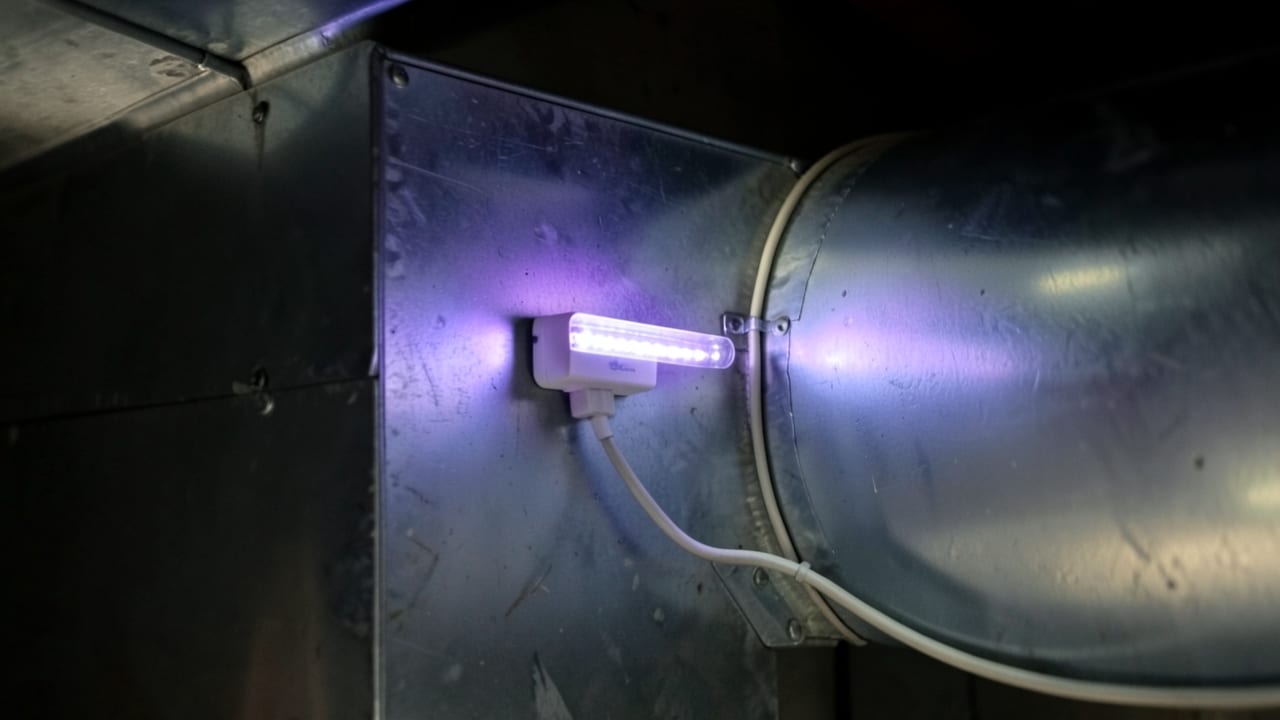
UV Light & Sanitization Treatment in LaGrange, GA
UV-C light installation and duct sanitization treatment in LaGrange, GA — an ongoing defense against microbial growth on the evaporator coil.
Learn More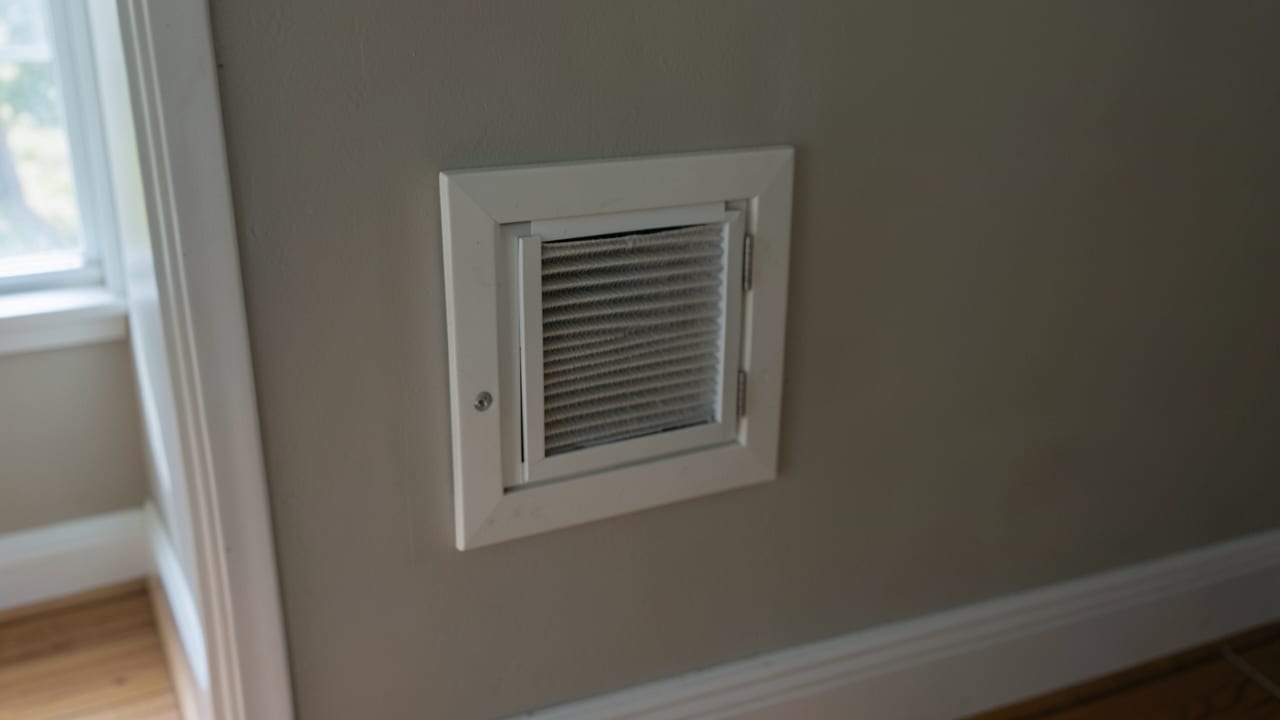
Air Filter Replacement in LaGrange, GA
Air filter replacement and MERV-rating guidance in LaGrange, GA, matched to household needs and system airflow limits.
Learn More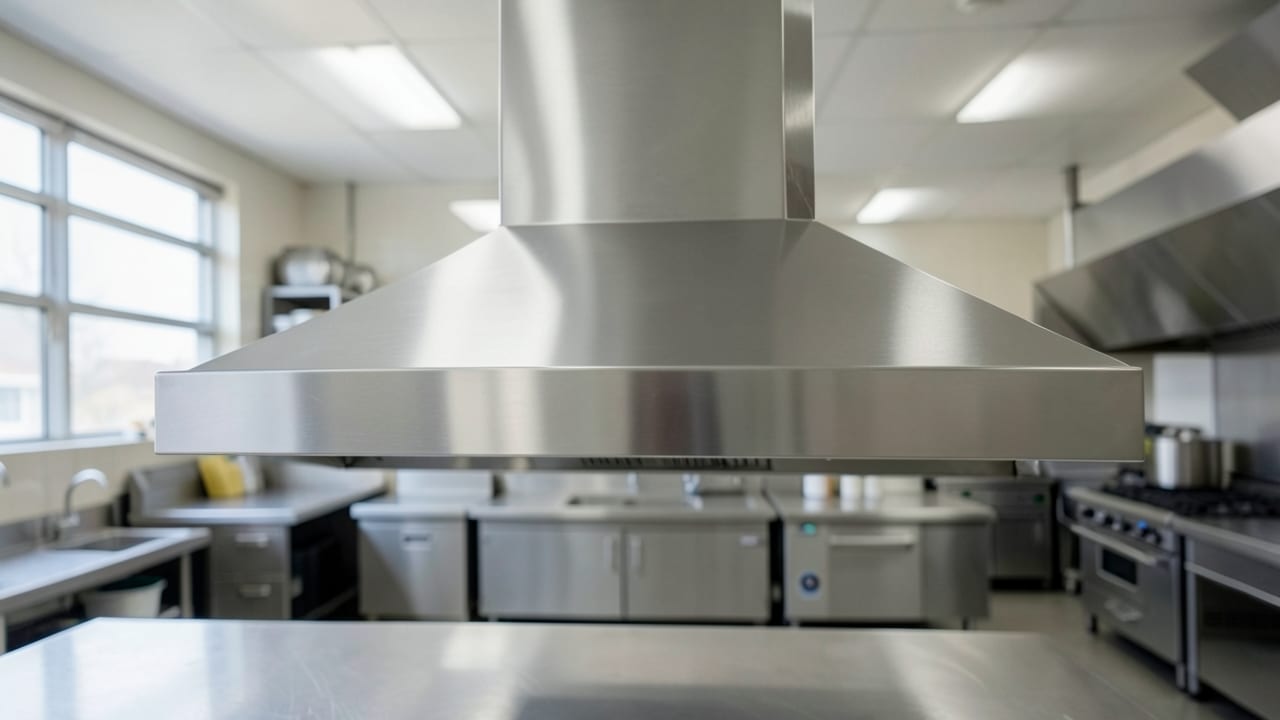
Kitchen Exhaust Hood Cleaning in LaGrange, GA
Commercial and residential kitchen exhaust hood cleaning in LaGrange, GA — removes grease buildup from hoods, filters, and ductwork.
Learn More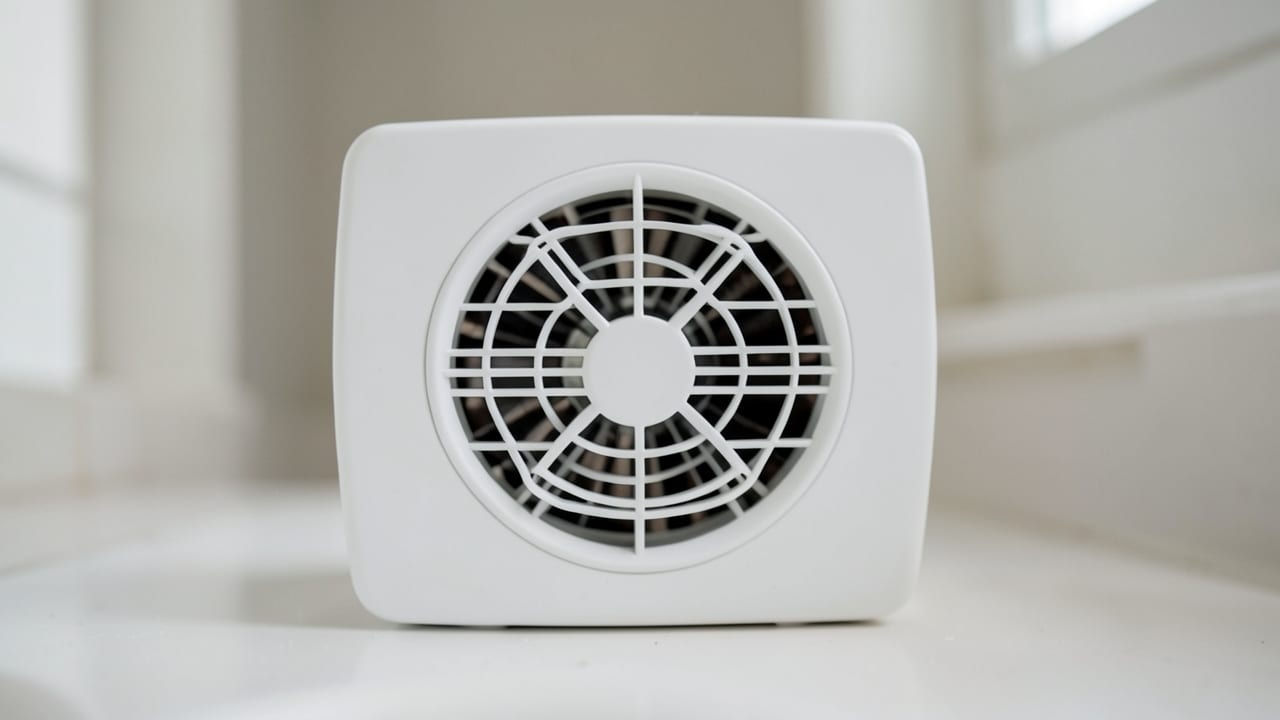
Bathroom Exhaust Fan Cleaning in LaGrange, GA
Bathroom exhaust fan cleaning in LaGrange, GA clears dust and lint from the fan housing and vent run, restoring proper airflow.
Learn More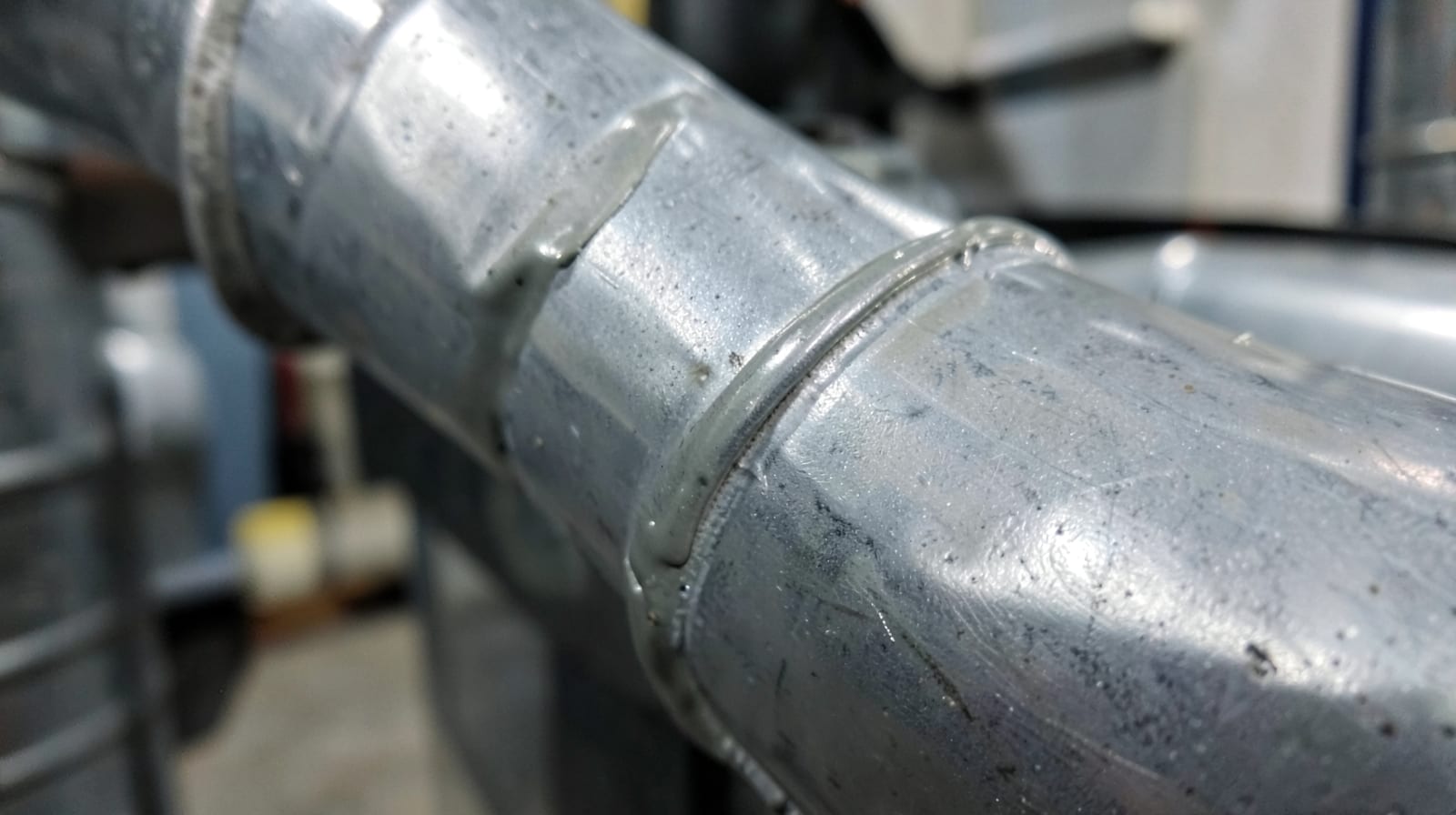
Duct Sealing in LaGrange, GA
Duct sealing in LaGrange, GA closes leaks in supply and return ductwork that waste conditioned air and strain the HVAC system.
Learn More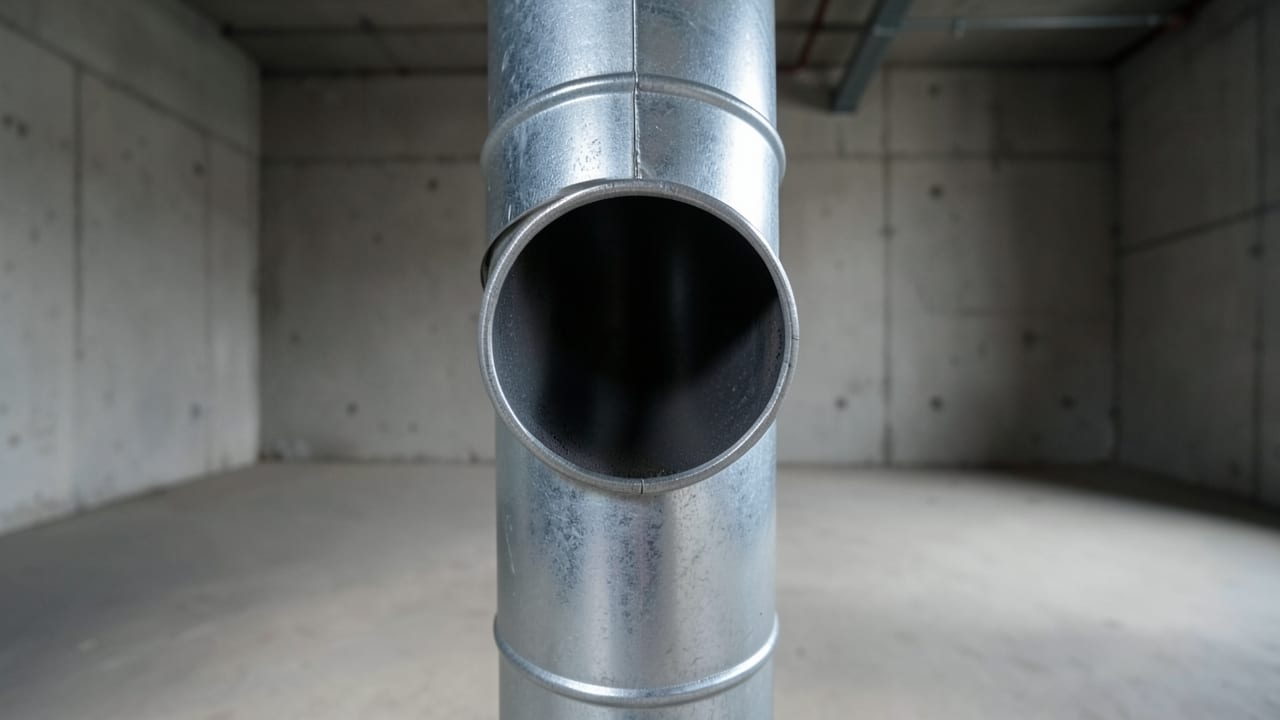
Furnace & Vent Cleaning in LaGrange, GA
Furnace and vent cleaning in LaGrange, GA clears the burner compartment, blower, and venting of dust and combustion byproducts.
Learn MoreCommon Questions About Air Duct Cleaning in LaGrange
Everything you need to know about air duct cleaning services in LaGrange
How much does Hard Water Mineral Duct Cleaning typically cost in LaGrange, GA?
Does seasonal pollen make duct cleaning more relevant in LaGrange, GA?
How often should air ducts actually be cleaned?
What does an air duct cleaning appointment actually involve, step by step?
Does dirty ductwork actually cause allergy or respiratory symptoms?
Can air ducts be cleaned with a household vacuum instead of hiring it out?
Need Air Duct Cleaning in LaGrange?
Get a written quote from our LaGrange crew.
⏰ We answer your call • Serving all of LaGrange and surrounding areas