COPD and Dirty Ducts: A Silent Threat in LaGrange Homes
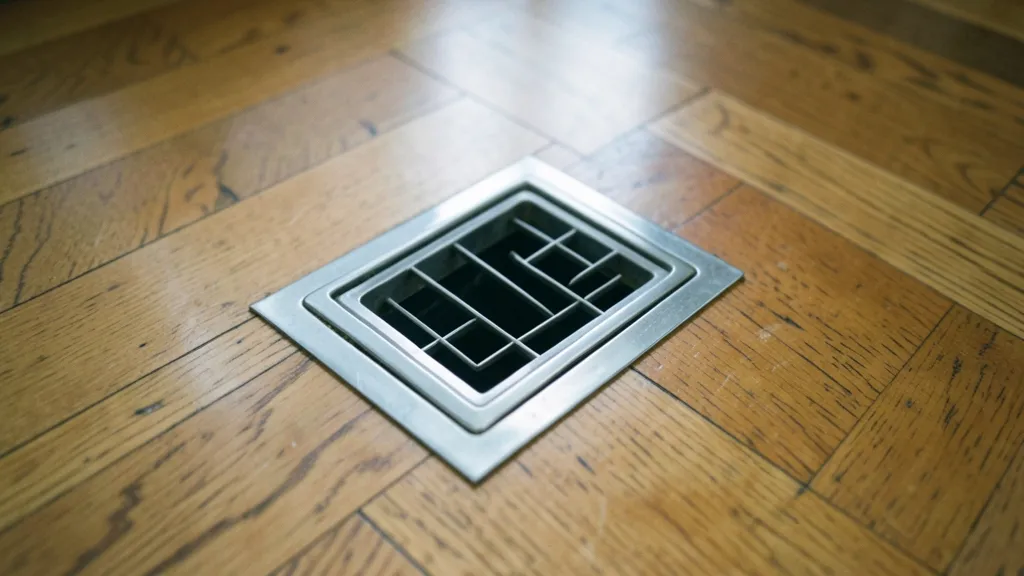
For those living with COPD in LaGrange, the air inside your home can be just as harmful as the air outside. Dirty air ducts circulate pollutants that aggravate symptoms, turning your HVAC system into a silent threat. We’ll explain the risks and how professional duct cleaning can help you breathe easier.
How Dirty Ducts Worsen COPD Symptoms
Air ducts accumulate dust, pet dander, pollen, and mold spores over time. When your HVAC system runs, these contaminants are blown directly into your living spaces, triggering COPD flare-ups.
In LaGrange’s humid climate, mold and mildew thrive in ductwork, releasing spores that irritate already sensitive airways. Even small amounts can cause coughing, wheezing, or shortness of breath.
Poor indoor air quality doesn’t just affect COPD patients—it impacts everyone in the home. But for those with respiratory conditions, the stakes are much higher.
Dirty ducts can circulate up to 40 pounds of dust annually in an average home. For COPD patients, this isn’t just dust—it’s a constant irritant.
Common Contaminants in LaGrange Ductwork
Dust mites are nearly invisible but prolific in Georgia homes. Their waste and body fragments become airborne, worsening allergies and COPD symptoms.
Pollen from local trees and grasses enters through open windows or hitches a ride on clothing. Once in your ducts, it’s redistributed every time the HVAC kicks on.
Pet dander clings to duct surfaces and mixes with dust, creating a fine particulate that’s easily inhaled. Even homes without pets can trap dander from visitors’ clothing.
Mold loves LaGrange’s humidity. If moisture enters your ducts—from leaks, condensation, or poor ventilation—mold colonies can form and spread spores.
Signs Your Ducts Are Affecting Your Health
Unexplained coughing or sneezing when the HVAC runs is a red flag. If symptoms improve when you’re away from home, your ducts may be the culprit.
Visible dust blowing from vents is a clear sign of buildup. Check your air filters—if they’re clogged within a month, your ducts likely need attention.
Musty odors often indicate mold or mildew in the system. These smells can linger even after cleaning surfaces, as the source remains hidden in the ductwork.
Health Red Flags
- Increased COPD symptoms indoors
- Dust puffs from vents when HVAC starts
- Persistent musty or stale odors
- Frequent allergies or respiratory infections
Why DIY Duct Cleaning Falls Short
Vacuuming vents or using a shop vac only removes surface dust. Most contaminants are deep in the system, where household tools can’t reach.
Improper cleaning can dislodge mold or dust, sending it airborne and worsening air quality. Without the right equipment, you risk making the problem worse.
Professional duct cleaning uses high-powered vacuums and agitation tools to remove debris safely. We also inspect for mold, leaks, or damaged ductwork that DIY methods miss.
Professional Duct Cleaning vs. Basic Maintenance
Basic maintenance like changing air filters helps, but it doesn’t address the root of the problem. Filters catch some particles, but dirt still accumulates in the ducts.
Professional cleaning removes years of buildup, improving airflow and efficiency. It’s not just about cleanliness—it’s about protecting your health and your HVAC system’s longevity.
| Factor | Basic Maintenance | Professional Cleaning |
|---|---|---|
| Depth of Cleaning | Surface-level (filters, vents) | Full system (ducts, coils, blower) |
| Equipment Used | Household vacuum, brushes | HEPA vacuums, rotary brushes, air whips |
| Contaminant Removal | Partial (dust, large debris) | Comprehensive (mold, bacteria, fine particulates) |
| Health Impact | Minimal improvement | Significant reduction in allergens and irritants |
| Frequency | Monthly (filters), occasional (vents) | Every 3-5 years (or as needed for health conditions) |
Additional Services to Improve Indoor Air Quality
Dryer vent cleaning prevents lint buildup, which can harbor mold and reduce airflow. Clogged dryer vents also pose a fire risk, especially in older LaGrange homes.
HVAC coil cleaning removes dirt from evaporator and condenser coils. Dirty coils reduce efficiency and can spread contaminants through the system.
Mold and mildew treatment targets spores in ducts and HVAC components. This is critical in humid areas like West Point or Hogansville, where moisture is a constant battle.
UV light sanitization systems install inside your ductwork to kill mold, bacteria, and viruses. They’re a proactive way to keep air clean between professional cleanings.
Indoor air quality testing identifies specific pollutants in your home. If COPD symptoms persist, testing can pinpoint whether ducts, humidity, or other factors are to blame.
If you live near Pine Mountain or Franklin, where pollen counts are high, consider more frequent duct inspections—especially in spring and fall.
What to Expect During a Professional Duct Cleaning
Our team starts with a thorough inspection of your HVAC system, including ducts, vents, and components. We look for signs of mold, damage, or excessive debris.
Using specialized tools, we agitate and dislodge contaminants from duct walls. High-powered vacuums then remove the debris, ensuring it doesn’t re-enter your home.
We pay special attention to areas prone to moisture, like basements or crawl spaces common in LaGrange homes. These spots are hotspots for mold growth.
Finally, we may recommend follow-up services like coil cleaning or UV light installation to maintain air quality. A clean system is just the first step.
Long-Term Benefits for COPD Patients
Clean ducts mean fewer irritants in the air, reducing the frequency and severity of COPD symptoms. Many of our clients report easier breathing within days.
Improved airflow also means your HVAC system runs more efficiently, lowering energy costs. In LaGrange’s hot summers and chilly winters, that’s a welcome bonus.
Regular duct maintenance extends the life of your HVAC system. By preventing dust and mold buildup, you avoid costly repairs or early replacements.
Peace of mind is perhaps the greatest benefit. Knowing your home’s air is as clean as possible lets you focus on what matters—staying healthy and comfortable.
How to Maintain Cleaner Ducts Between Professional Cleanings
While professional cleaning is essential, these steps help keep your ducts in better shape between visits.
- 1Change Air Filters Regularly
Replace HVAC filters every 1-3 months, or more often if you have pets or allergies. Use high-quality pleated filters rated MERV 8-13 for better particle capture.
- 2Seal Leaks in Ductwork
Inspect visible ducts for gaps or disconnections. Seal leaks with metal tape or mastic sealant to prevent dust and pests from entering.
- 3Control Indoor Humidity
Use dehumidifiers in damp areas like basements or bathrooms. Aim for 30-50% humidity to discourage mold growth in ducts.
- 4Keep Vents Clear
Ensure furniture, rugs, or curtains aren’t blocking supply or return vents. Obstructed vents force your system to work harder and can trap dust.
- 5Vacuum and Dust Regularly
Use a vacuum with a HEPA filter to reduce dust in your home. Less dust in the air means less dust settling in your ducts.
- 6Schedule Annual HVAC Inspections
Have a professional check your system yearly. They can spot early signs of duct issues, mold, or inefficiencies before they worsen.
Frequently Asked Questions
Can dirty ducts really make COPD worse?
Absolutely. Dirty ducts circulate dust, mold, and other irritants that inflame airways, triggering COPD symptoms like coughing, wheezing, and shortness of breath. Removing these contaminants can significantly improve indoor air quality.
How often should I have my ducts cleaned if I have COPD?
We recommend professional duct cleaning every 1-2 years for COPD patients, or more frequently if you notice worsening symptoms, musty odors, or visible dust from vents.
Will duct cleaning help with allergies too?
Yes. Duct cleaning removes common allergens like pollen, pet dander, and dust mites. Many of our clients in Hogansville and West Point see a noticeable reduction in allergy symptoms after cleaning.
Is duct cleaning messy or disruptive?
Not with professional equipment. We use contained systems that prevent dust from spreading into your home. The process typically takes a few hours, and you can return to your routine immediately afterward.
Do you serve areas outside LaGrange?
Yes, we provide air duct cleaning and related services to nearby communities including Hogansville, West Point, Franklin, Grantville, and Pine Mountain.
How can I tell if my ducts need cleaning?
Look for signs like dust puffs from vents, musty smells, or unexplained respiratory issues. For certainty, request a quote—we’ll inspect your system and recommend a suitable course of action.