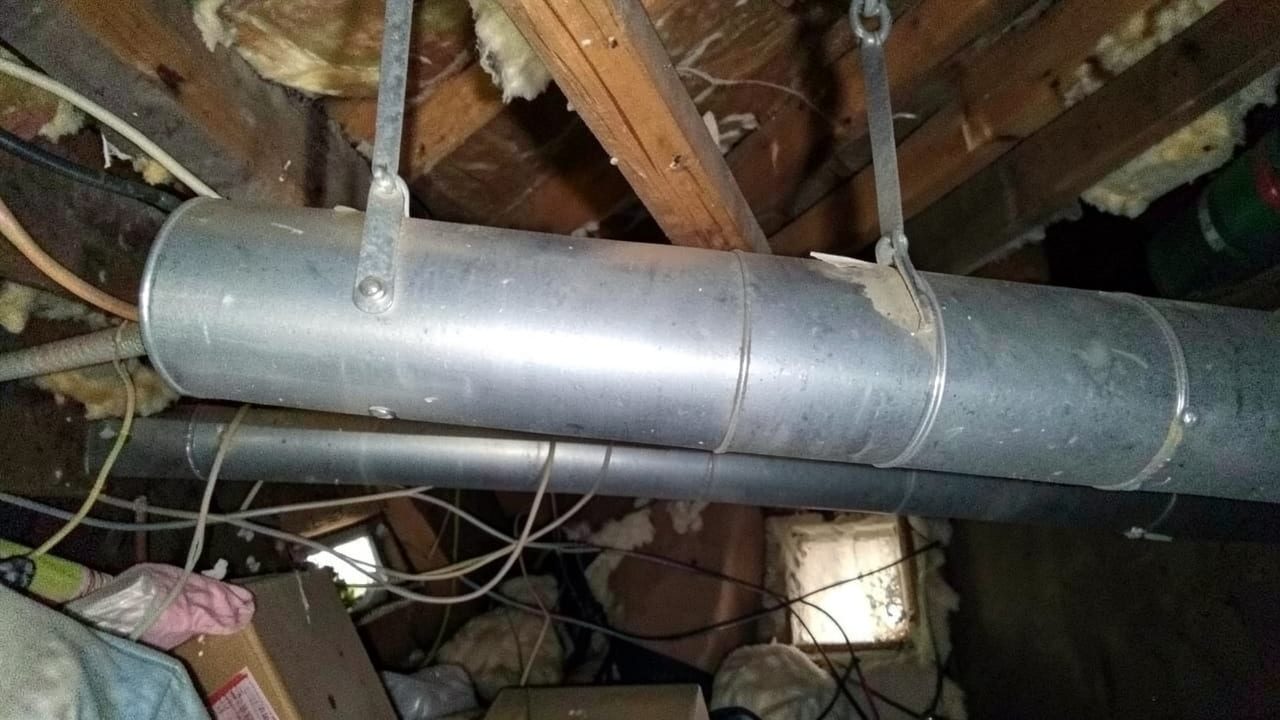
Ductwork Replacement
Replacing old or damaged air ducts to improve HVAC efficiency and indoor air quality.
In LaGrange, GA, ductwork replacement restores your HVAC system’s efficiency by removing deteriorated or damaged ducts and installing new ones. Over time, ducts can degrade, causing leaks, poor airflow, and higher energy bills. A full replacement ensures cleaner air, better comfort, and long-term system performance for your home.
Signs your ductwork needs replacement
Ductwork replacement is often needed when cleaning no longer improves airflow or air quality. Look for visible dust buildup near vents within days of cleaning, or a musty smell that fades when the HVAC turns off—both signs of hidden deterioration inside the ducts.
We also handle Rectangular Duct Cleaning and Stairwell Vent Cleaning for LaGrange properties.
A room that collects dust faster than others, or gray film reappearing on register grilles after cleaning, suggests active dust delivery from the ducts. If your system struggles to maintain temperature or you notice uneven heating/cooling, replacement may be the solution.
When to Consider Replacement
- Dust reappears within days of cleaning, especially near supply vents
- Musty or stale odors persist while the HVAC runs but fade when off
- Uneven heating/cooling across different rooms in the house
- Visible gaps, rust, or sagging in ductwork (often in basements or attics)
- Energy bills rise despite regular filter changes
What affects ductwork replacement costs?
Pricing for ductwork replacement varies based on duct material, home size, and system complexity. Flexible ducts are often cheaper than rigid metal, but metal lasts longer. The scope—whether trunk lines, coils, or just vents are included—also impacts cost.
Hidden factors like mold, pest damage, or disconnected flex ducts during installation can increase expenses. Always confirm whether the quote covers inspection, material quality, and labor for full system reassembly.
Common pitfalls to avoid
Skipping a pre-replacement inspection can leave hidden issues unresolved. For example, disconnected flex ducts may go unnoticed until conditioned air vents into walls instead of rooms. Always request a camera inspection of supply/return runs before work begins.
Cheap materials or improper sealing during installation can lead to new leaks or poor airflow. Ensure the crew uses appropriate connectors and insulation for your climate, especially in LaGrange’s humidity.
A camera inspection identifies concentrated dust, biological growth, or structural damage before replacement. Without it, repairs may address symptoms—not root causes—leaving ducts prone to rapid recontamination.
How ductwork replacement works
Replacement begins with removal of old ducts, followed by installation of new, sealed lines and thorough system testing.
- 1Inspection & Removal
Old ducts are cut away, and a camera inspection checks for hidden damage or contamination in the HVAC unit and trunk lines before new installation begins.
- 2New Duct Installation
Rigid or flexible ducts are fitted to match your system’s design, with sealed joints and proper insulation to prevent leaks or energy loss.
- 3Register & Vent Reassembly
Supply and return registers are reinstalled, and airflow is tested at multiple vents to confirm balanced pressure and temperature distribution.
- 4Final System Check
The HVAC is powered on to verify even airflow, proper sealing, and no unusual noises—ensuring the replacement meets performance expectations.
Frequently asked questions
How do I know if my ducts need replacement instead of just cleaning?
If cleaning fails to improve airflow, dust reappears quickly, or you notice sagging/rust in ductwork, replacement is likely needed. A camera inspection can confirm if deterioration is beyond cleaning.
Will replacing ducts improve my home’s air quality?
Yes, but results depend on addressing leaks, sealing connections, and using appropriate materials. Poor installation can still allow contaminants to circulate, so quality work matters.
Do I need to replace my HVAC unit at the same time as the ducts?
Not always, but if your unit is over 10–15 years old or inefficient, replacing both may be cost-effective. Consult a technician to assess your system’s overall condition.
How long does ductwork replacement take for a typical LaGrange home?
Most replacements take 1–3 days, depending on duct type, home size, and whether additional repairs (like HVAC unit upgrades) are needed.
Where LaGrange sits, and what the Census lists nearby
LaGrange sits in Georgia, and the closest places listed in the U.S. Census Gazetteer are West Point (10.7 miles southwest), Standing Rock, AL (12.4 miles west), Hogansville (12.5 miles northeast), Glenn (13.2 miles northwest).
Within 25 miles of LaGrange the same source lists 25 distinct incorporated places and census-designated places.
Those figures matter for ductwork replacement because they are straight-line distances between Census coordinate points: road mileage between LaGrange and West Point runs longer than the 10.7 miles shown, which is why quotes for the same job differ between towns that look close together on a map.
Source: U.S. Census Bureau Gazetteer.
See Roanoke, AL for more, or browse our complete LaGrange service list step by step for our complete lineup.
Ready to get started?
Talk to a local air duct cleaning pro in LaGrange — get a written quote.
Other Air Duct Cleaning Services in LaGrange
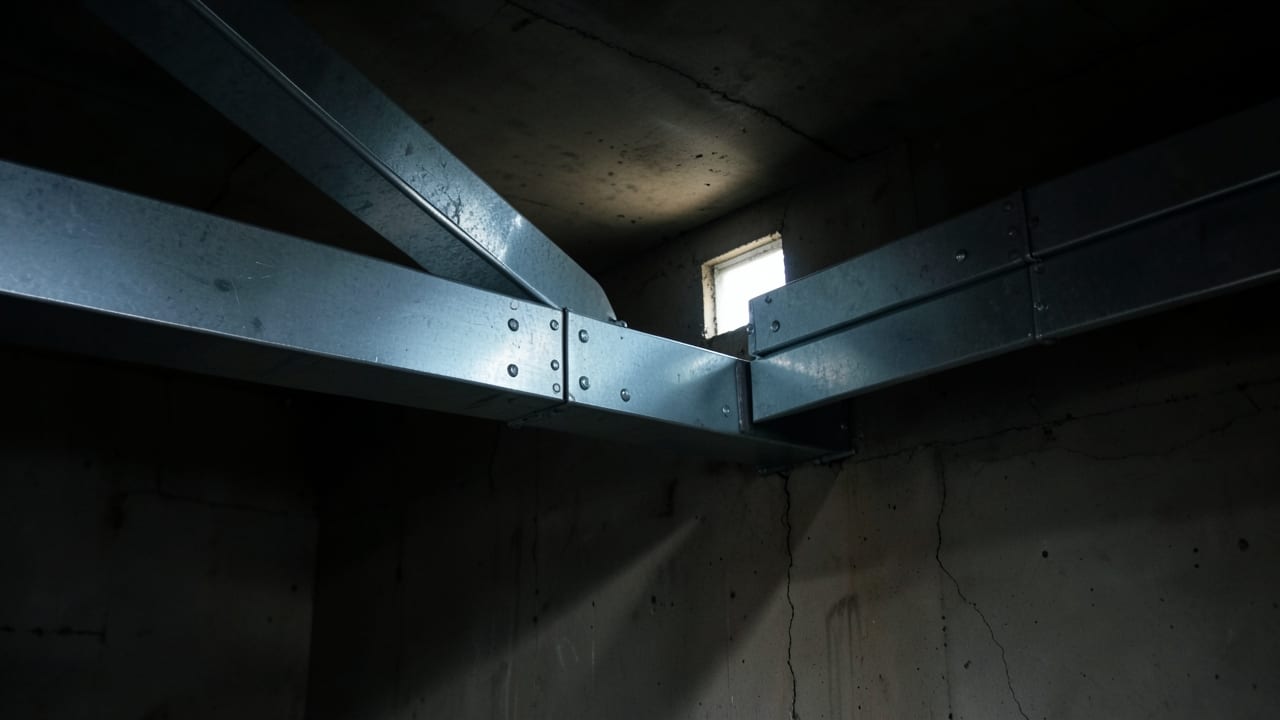
Rectangular Duct Cleaning in LaGrange, GA
Professional cleaning of rectangular HVAC ductwork to remove dust, debris, and contaminants.
Learn More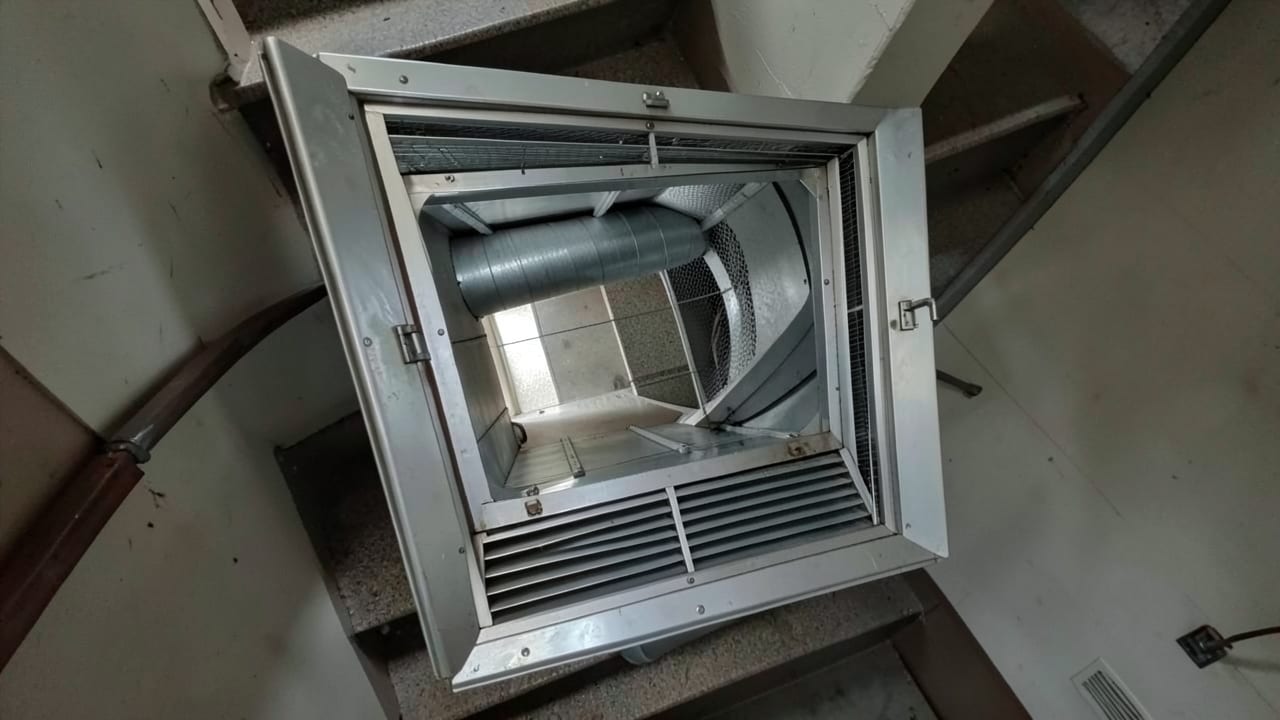
Stairwell Vent Cleaning in LaGrange, GA
Professional cleaning of stairwell ventilation systems to improve airflow and remove dust and debris.
Learn More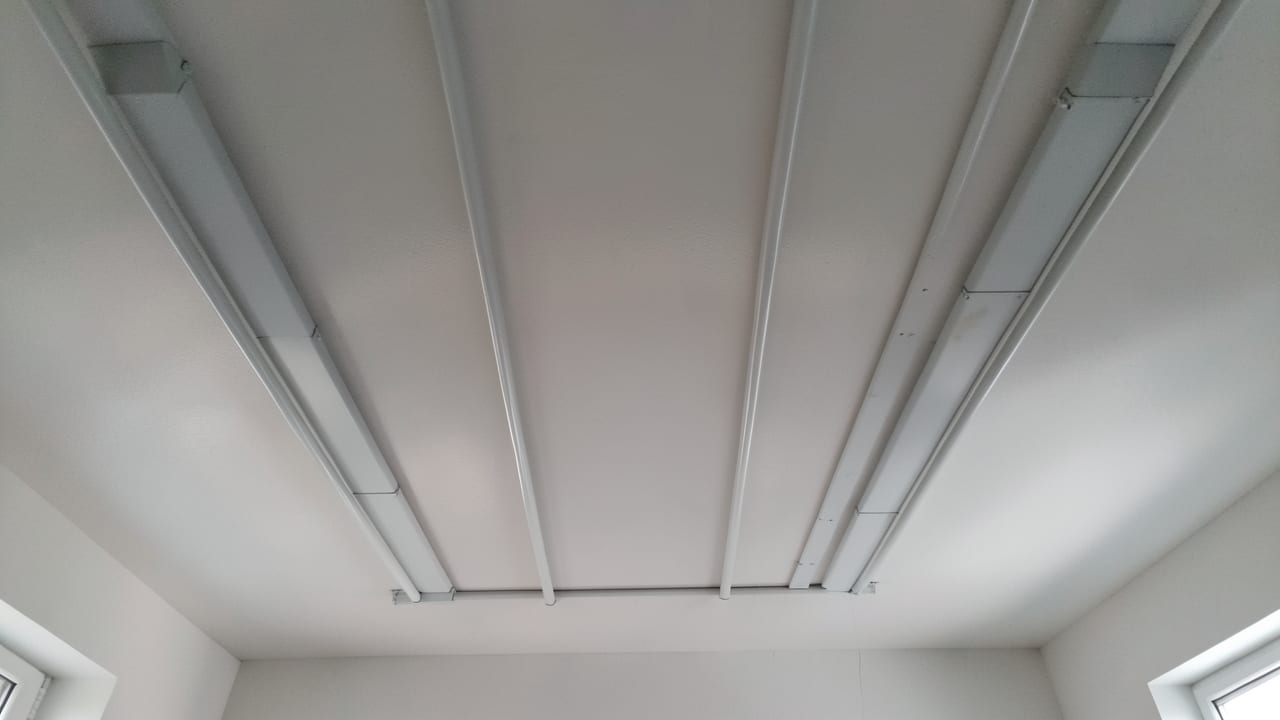
Apartment Duct Cleaning in LaGrange, GA
Professional cleaning of apartment HVAC ducts to remove dust, debris, and allergens.
Learn More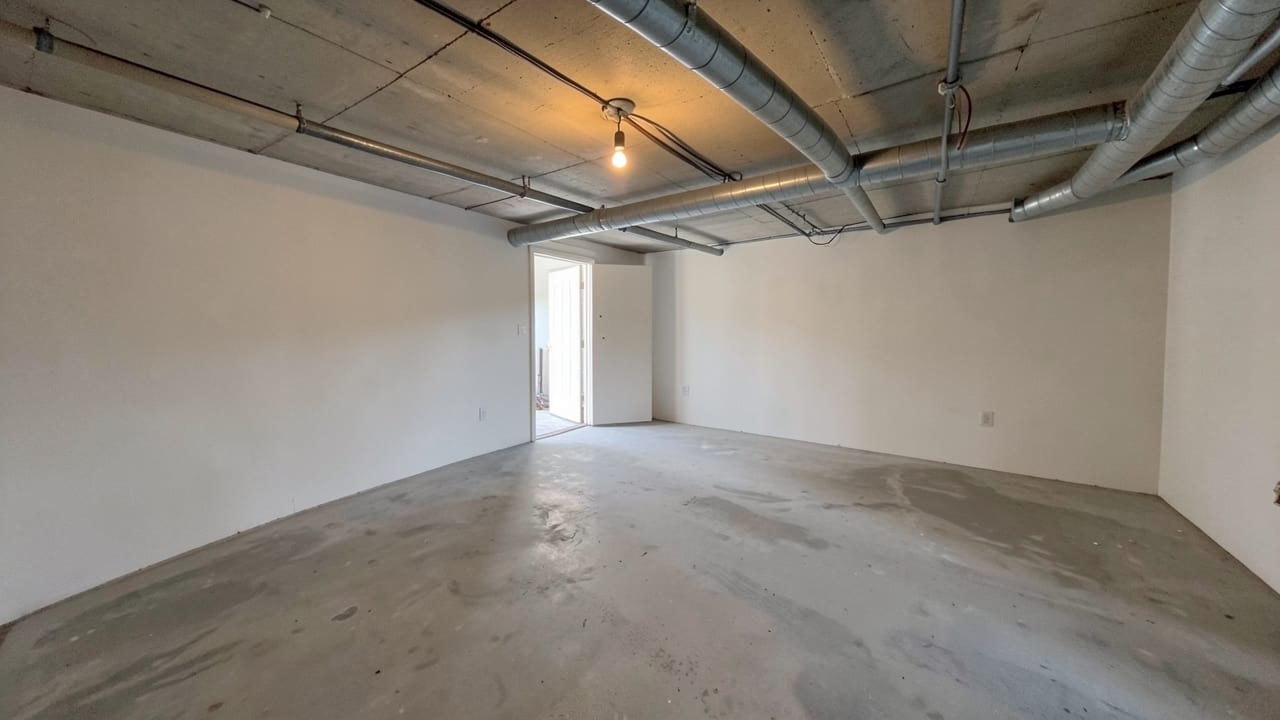
Rental Property Duct Cleaning in LaGrange, GA
Professional cleaning of air ducts and HVAC systems in rental properties to improve air quality.
Learn More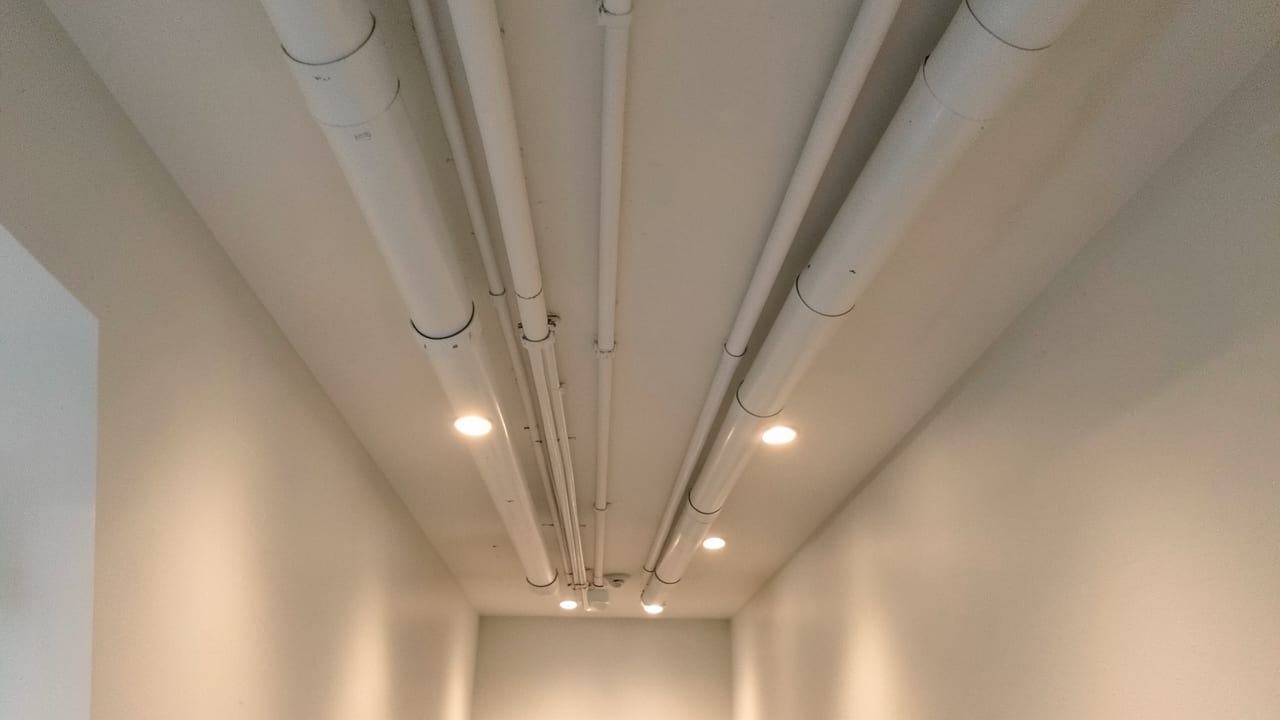
Condo Duct Cleaning in LaGrange, GA
Professional cleaning of condo air ducts and HVAC systems to improve airflow and indoor air quality.
Learn More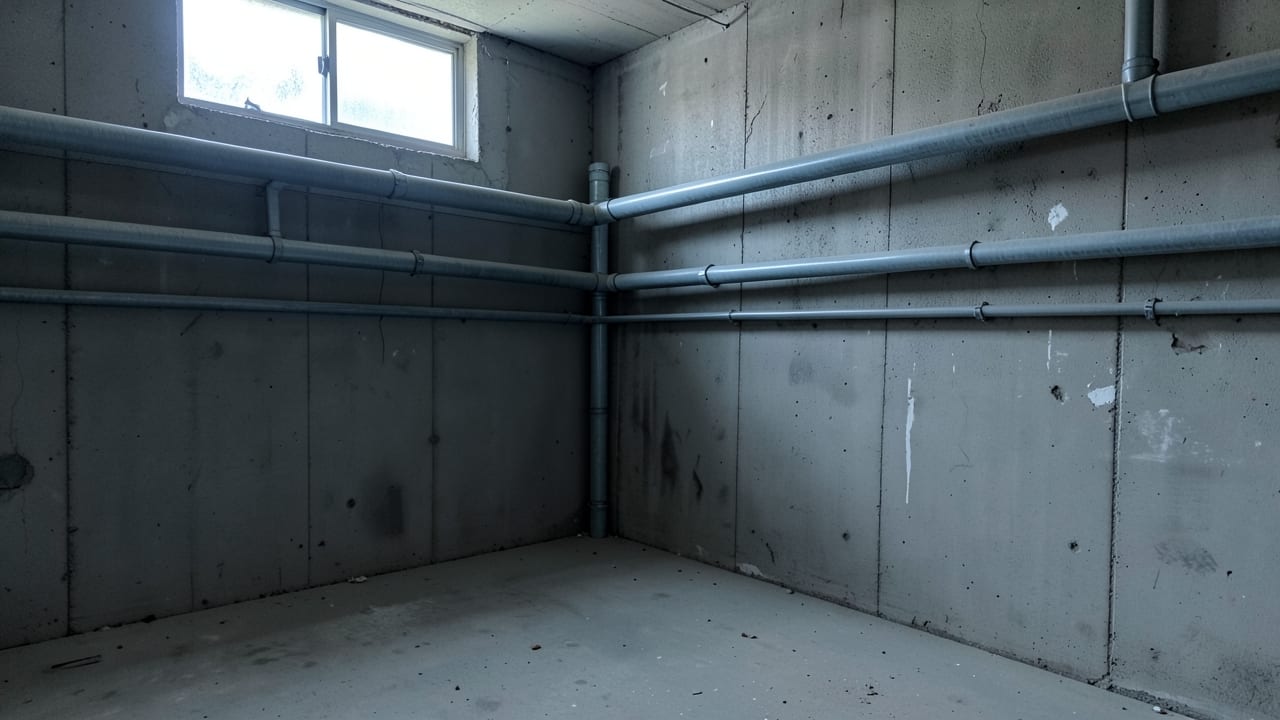
HOA Duct Cleaning in LaGrange, GA
Professional cleaning of air ducts and HVAC systems to improve indoor air quality.
Learn MoreCommon Questions About Air Duct Cleaning in LaGrange
Everything you need to know about air duct cleaning services in LaGrange
How much does Ductwork Replacement typically cost in LaGrange, GA?
Does seasonal pollen make duct cleaning more relevant in LaGrange, GA?
What's the real difference between flat-rate and per-vent air duct pricing?
How often should air ducts actually be cleaned?
What does an air duct cleaning appointment actually involve, step by step?
Does dirty ductwork actually cause allergy or respiratory symptoms?
Need Air Duct Cleaning in LaGrange?
Get a written quote from our LaGrange crew.
⏰ We answer your call • Serving all of LaGrange and surrounding areas